Choosing Children's Creative Writing Workbooks
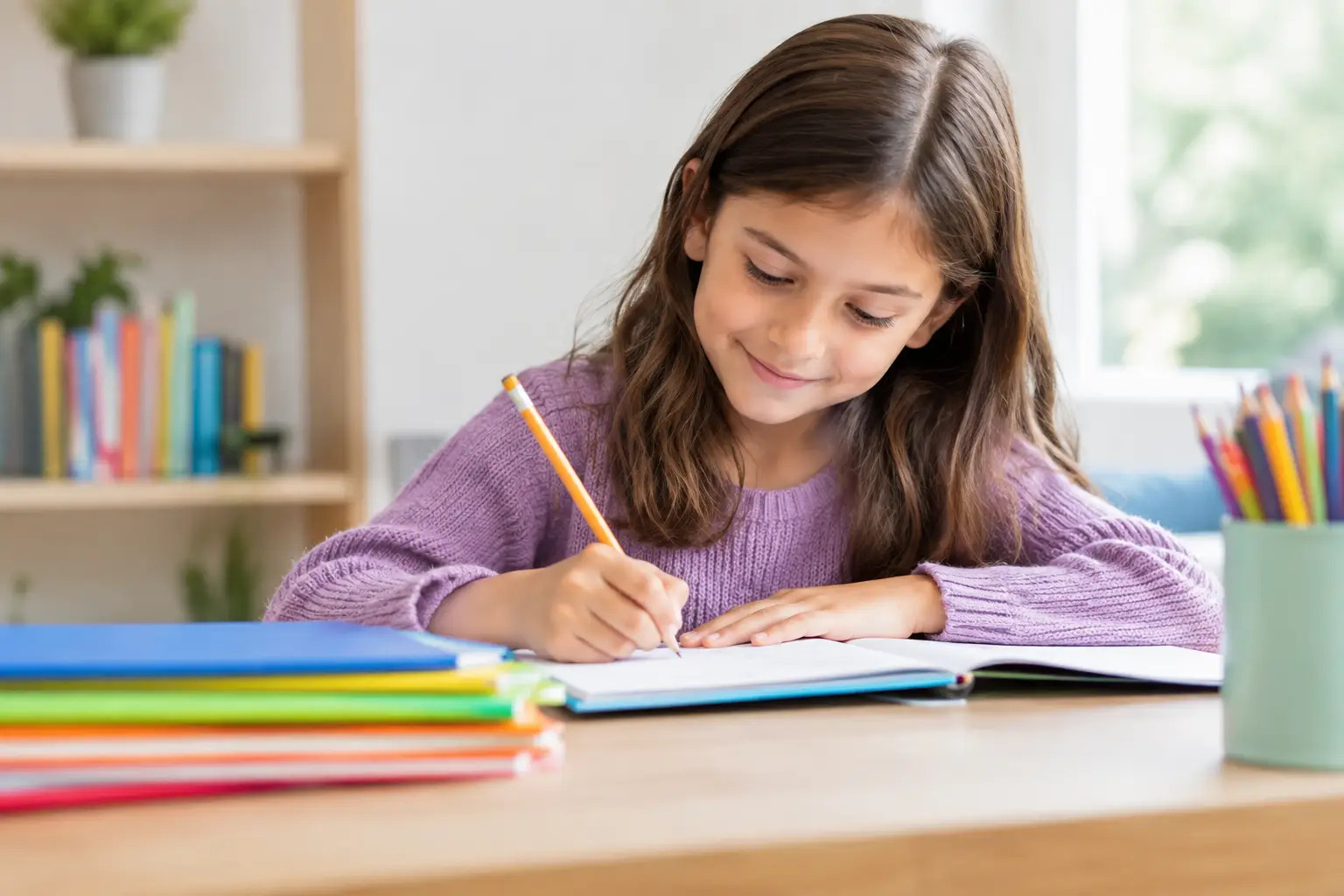
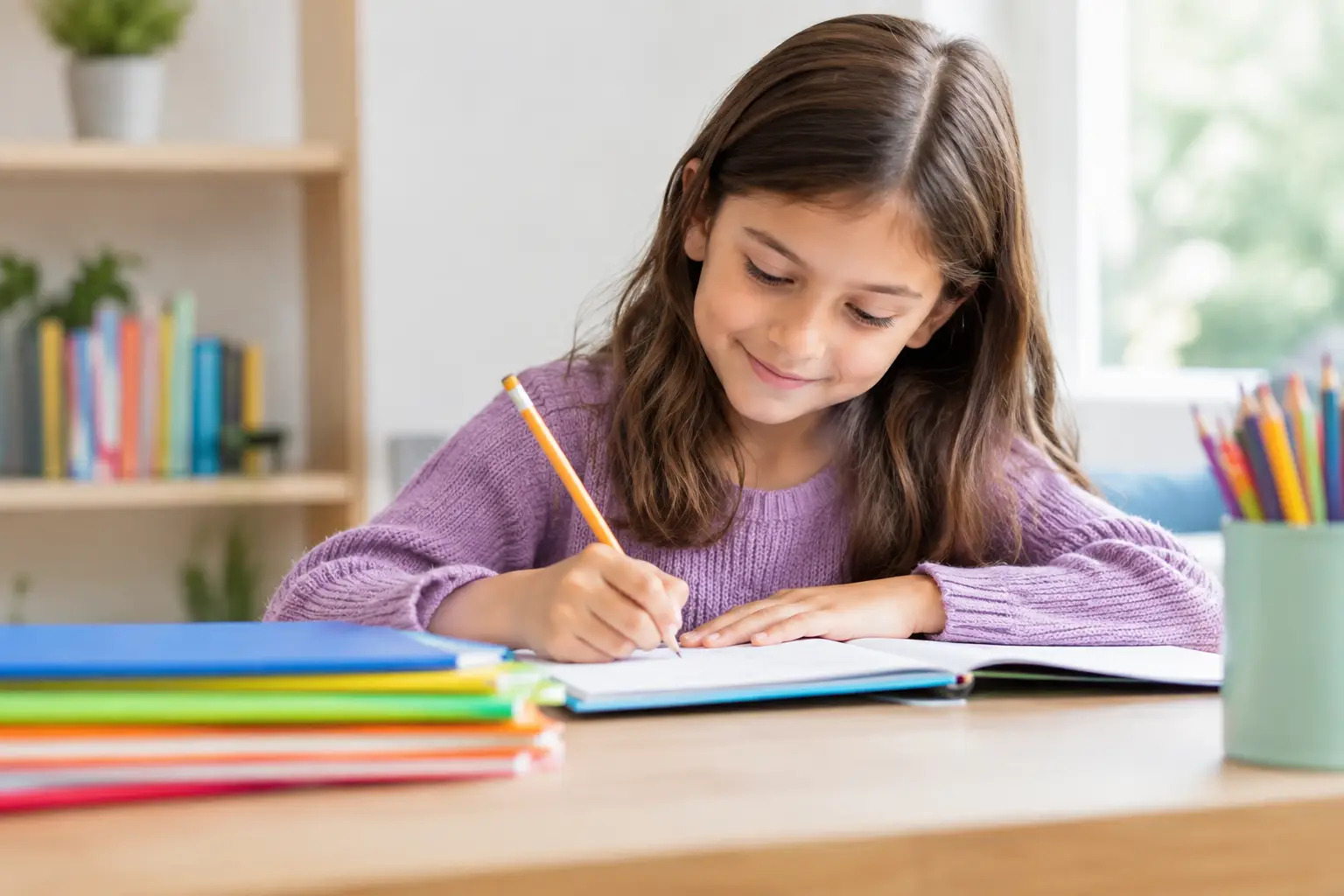
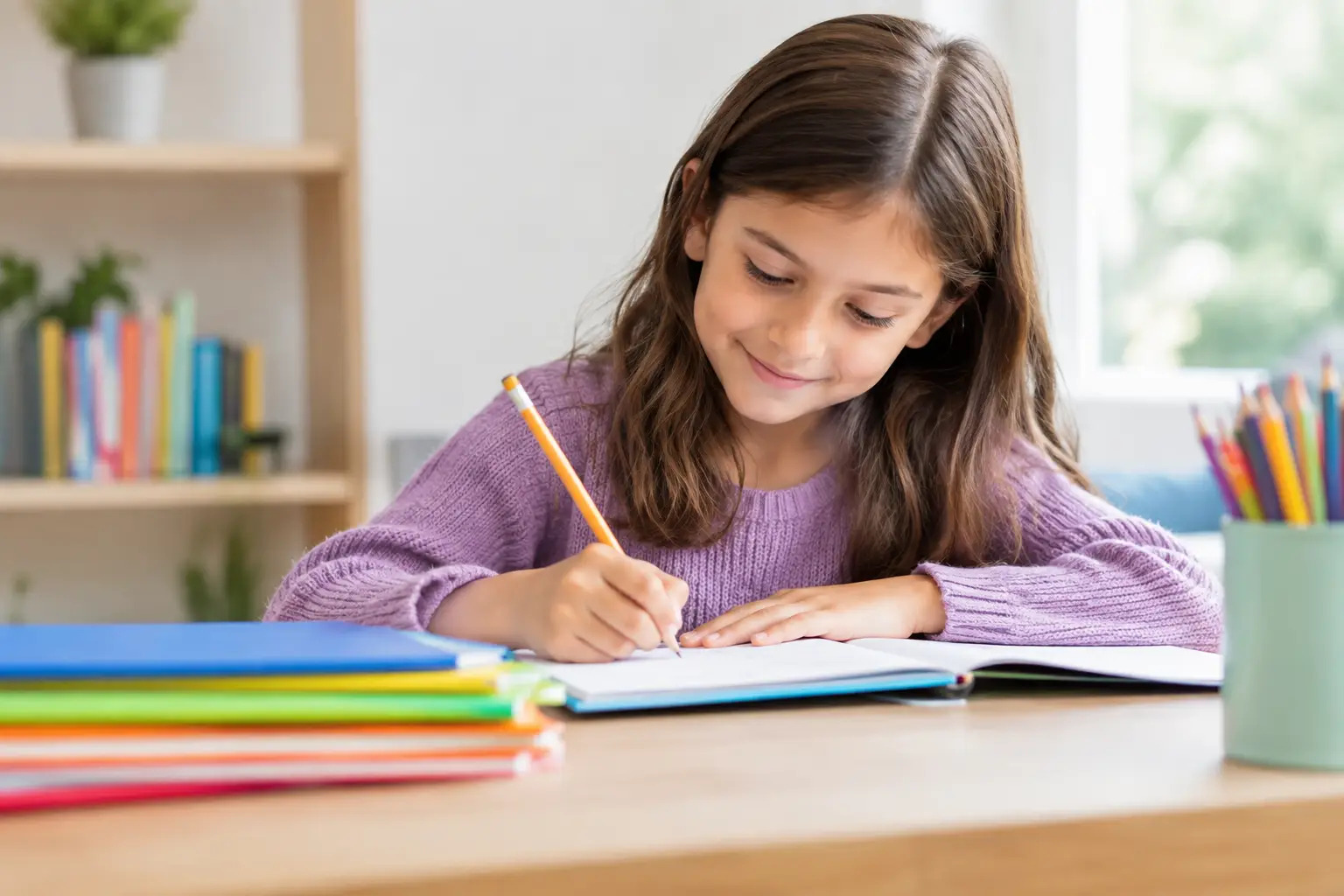
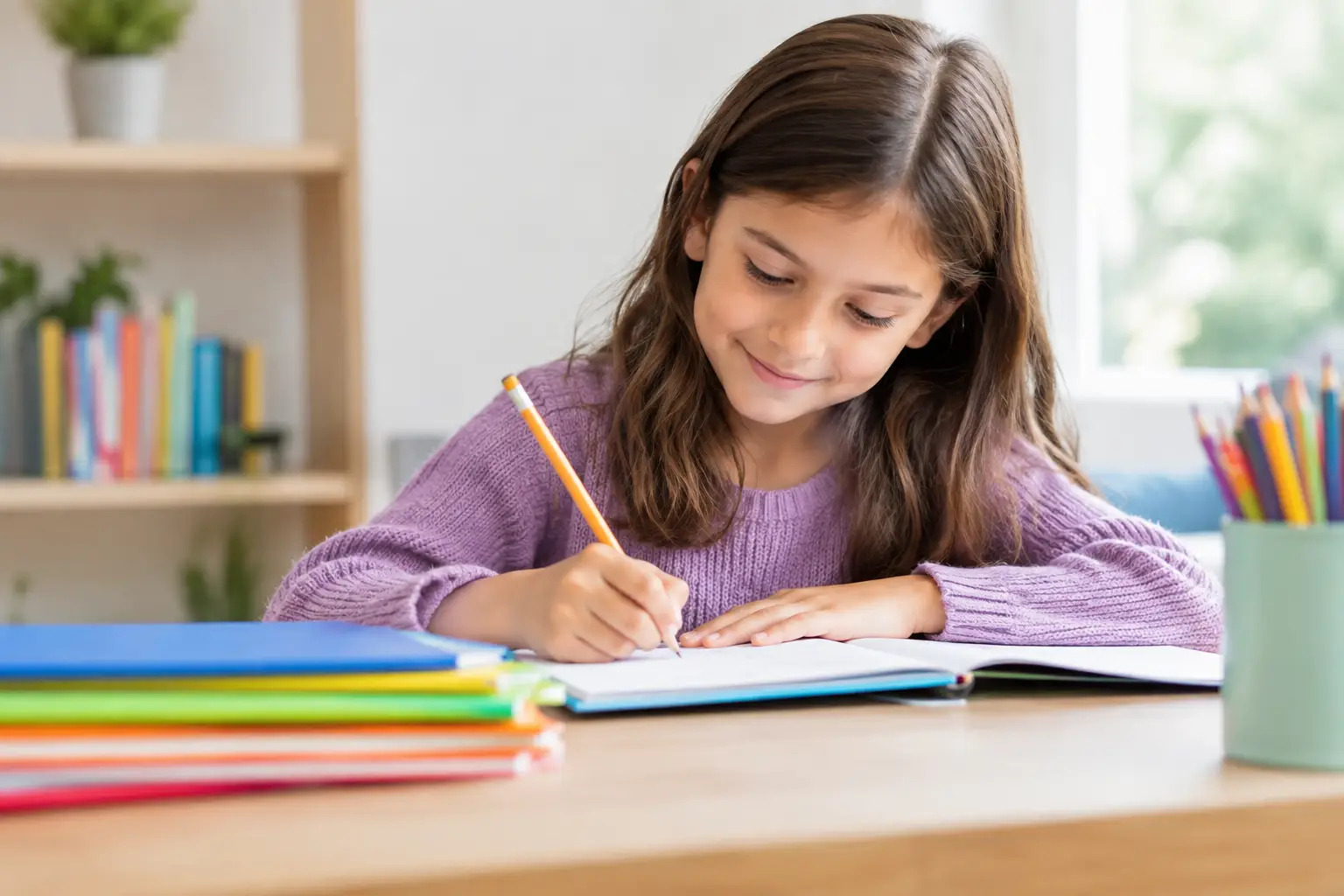
A child who can talk excitedly about a film, a football match or a family outing can still freeze when faced with a blank writing page. That gap is exactly where children's creative writing workbooks can help. A well-chosen book turns the vague instruction to “write a story” into manageable practice: finding an idea, describing a setting, planning events and revising a first draft.
For Hong Kong families, creative writing practice also supports several school needs at once. Children build vocabulary for English composition, learn how paragraphs work, improve sentence control and become more confident expressing original thoughts. The aim is not to produce a perfect story every time. It is to give children a reliable process they can use independently.
What a Creative Writing Workbook Should Teach
Creative writing is often mistaken for a talent a child either has or does not have. In reality, most young writers need explicit teaching, repeated opportunities and examples they can learn from. The best workbooks do not simply provide a picture and a line that says “Write a story”. They show what to do before, during and after writing.
For younger learners, this may begin with naming objects in a picture, choosing describing words and putting three events in order. A child who can say, “The small, muddy puppy ran into the garden,” is already learning that precise words make a sentence more interesting.
For primary learners, the focus usually widens to story openings, characters, settings, dialogue, sequencing and endings. At this stage, planning frames are particularly useful. They help children avoid a common problem in school composition: spending half the page introducing a character, then rushing through the main event and ending with “Then I woke up.”
Older primary and lower-secondary pupils benefit from more demanding work on viewpoint, mood, word choice, paragraph links and editing. They should also meet different forms of writing, such as diary entries, letters, descriptions, narratives and short reports. Creative writing does not replace formal writing practice. It strengthens the control that pupils need for both.
Choosing Children's Creative Writing Workbooks by Stage
The right level matters more than a workbook’s thick cover or impressive-looking exercises. If the tasks are too difficult, children may copy model answers without understanding them. If they are too easy, they may complete pages quickly but make little progress.
Kindergarten and early primary
At this stage, choose books with clear illustrations, large writing spaces and short activities. A workbook may ask a child to complete a sentence, match words to pictures, order story cards or add details to a simple scene. These activities build oral language and confidence before children are expected to write longer pieces.
Look for gentle progression from word banks to sentence building. Phonics and spelling support can be helpful, but a creative writing book should still leave room for the child’s own ideas. If every sentence has only one “correct” answer, it is closer to a grammar exercise than a writing activity.
Reading aloud remains one of the strongest companions to workbook practice. After sharing a picture book, ask simple questions: Where is the story set? How does the character feel? What could happen next? These conversations give children language they can later use in writing.
Primary school writers
For most primary pupils, a structured workbook with model texts and guided planning is a sensible choice. They need to see how a good paragraph is built, not only be told to use “better vocabulary”. A useful activity might show a plain sentence first, then guide the pupil to add a stronger verb, a sensory detail or a reason for a character’s action.
At this level, choose materials that teach a complete writing sequence: brainstorm, plan, draft, check and improve. Many children can produce lively ideas verbally but lose direction halfway through a composition. Story maps, beginning-middle-ending planners and character prompts provide enough support without writing the story for them.
It is also worth checking whether the workbook includes realistic writing lengths. A child moving towards upper primary should practise sustaining an idea over several paragraphs, rather than completing only disconnected sentences. However, longer is not automatically better. A focused, well-developed 150-word story teaches more than a repetitive 400-word piece.
Upper primary and secondary preparation
As pupils approach secondary school, they need greater independence. Look for workbooks that introduce techniques such as showing rather than telling, varying sentence openings, using dialogue purposefully and creating atmosphere through details. Editing exercises are valuable here because they teach pupils to notice vague words, repeated phrases and awkward sequencing in their own work.
For children preparing for school assessments, choose a resource that balances creativity with clear organisation. An imaginative plot will not compensate for missing paragraphs, confusing tenses or weak punctuation. Conversely, a technically accurate composition can feel flat if it has no interesting voice or detail. The strongest materials train both areas together.
Use the Workbook as Practice, Not Homework Punishment
A workbook works best in short, regular sessions. Twenty minutes once or twice a week is often more productive than insisting on a full composition after a long school day. Start with the exercise that feels achievable, especially for a reluctant writer. Completing a strong descriptive paragraph can create momentum for a longer story next time.
Parents do not need to correct every error immediately. If a page returns covered in marks, a child may learn that writing is mainly about getting things wrong. Read the work first as a reader. Mention one detail you enjoyed, such as a funny character name or a vivid description. Then choose one or two teaching points only, perhaps capital letters and stronger verbs.
A practical routine is to ask the child to read their work aloud. Missing words, repeated ideas and sentences that sound unnatural often become obvious when heard. This also helps children develop an ear for rhythm and punctuation. If they are stuck, ask a specific question rather than supplying the next sentence: “What can your character see when they open the door?” is more useful than “Write more.”
What to Check Before You Buy
When comparing children's creative writing workbooks, parents and teachers should check whether the book suits the child’s present writing level rather than relying on age alone. A good choice normally includes a clear explanation of each skill, examples or model writing, guided practice and enough space for the child to write.
It should also match the purpose. A child who struggles to begin may need picture prompts and sentence starters. A capable pupil whose stories lack structure may need planning and paragraph work. A learner preparing for composition assessment may need timed tasks, editing practice and model responses. One workbook rarely solves every writing need, so it can be more effective to combine a writing resource with regular reading and a separate grammar or vocabulary practice book.
Parents should be cautious of materials that promise dramatic results through lists of sophisticated words. Children do need richer vocabulary, but words such as “enormous” or “terrified” only improve writing when used accurately and naturally. A child who writes clearly about a familiar experience is building a stronger foundation than one who inserts difficult words at random.
Build a Small Writing Routine at Home
Keep completed pages in a folder rather than treating each workbook page as disposable. After a few months, children can see that their sentences are longer, their ideas are clearer or their punctuation has improved. This visible progress is motivating, particularly for pupils who believe they are “not good at English”.
You can extend a workbook activity without creating extra pressure. A story about a lost key can become a comic strip, a short dialogue or a different ending. A descriptive task about a rainy day can lead to a word collection of sounds, colours and feelings. These small variations teach children that writing is a way to explore ideas, not merely another exercise to finish.
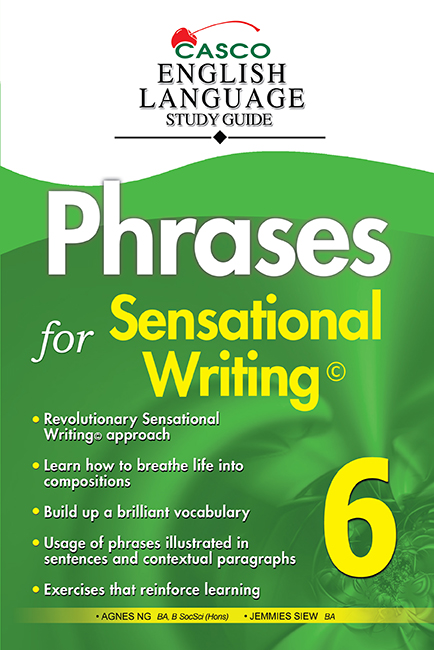
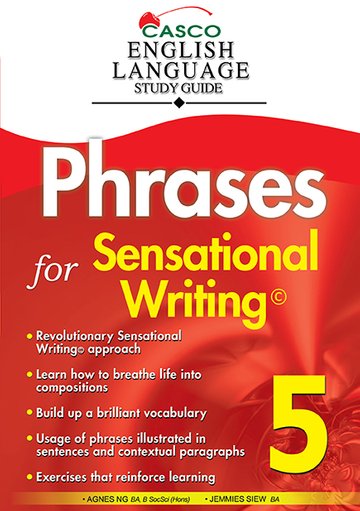
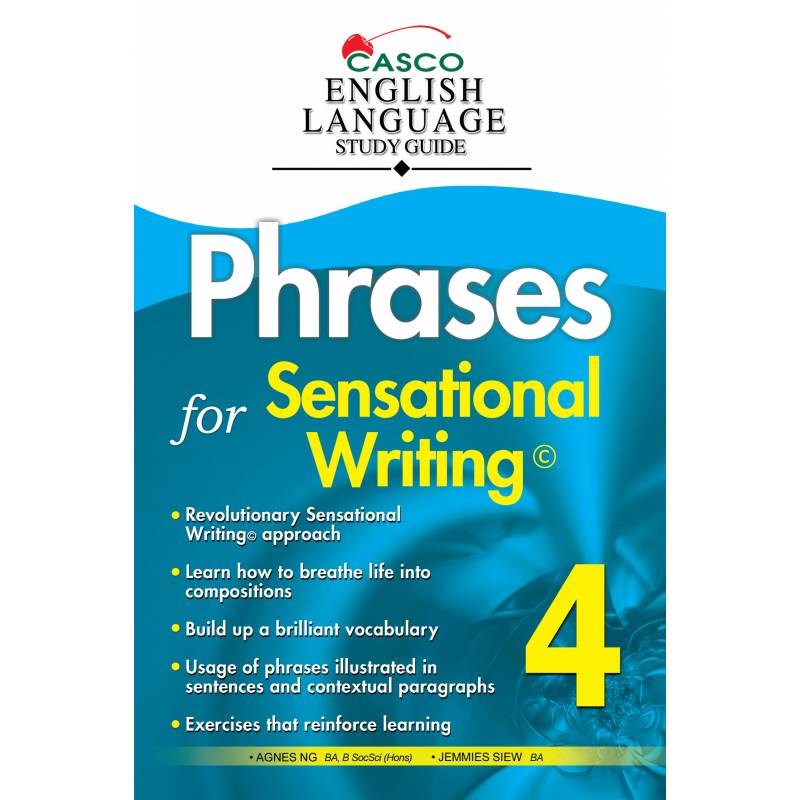
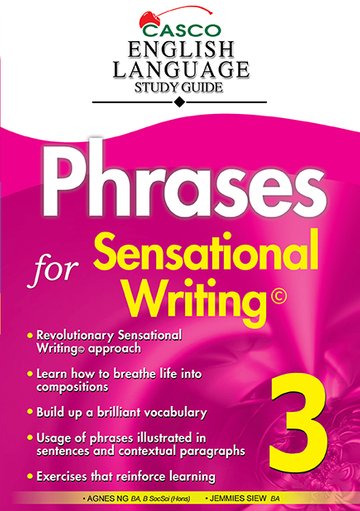
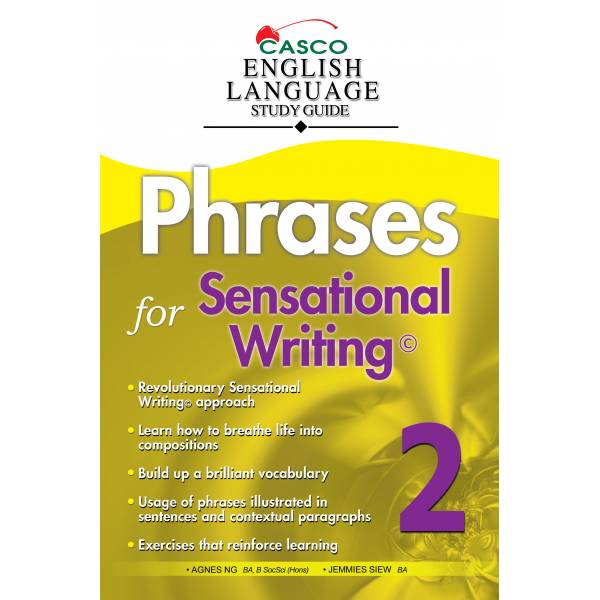
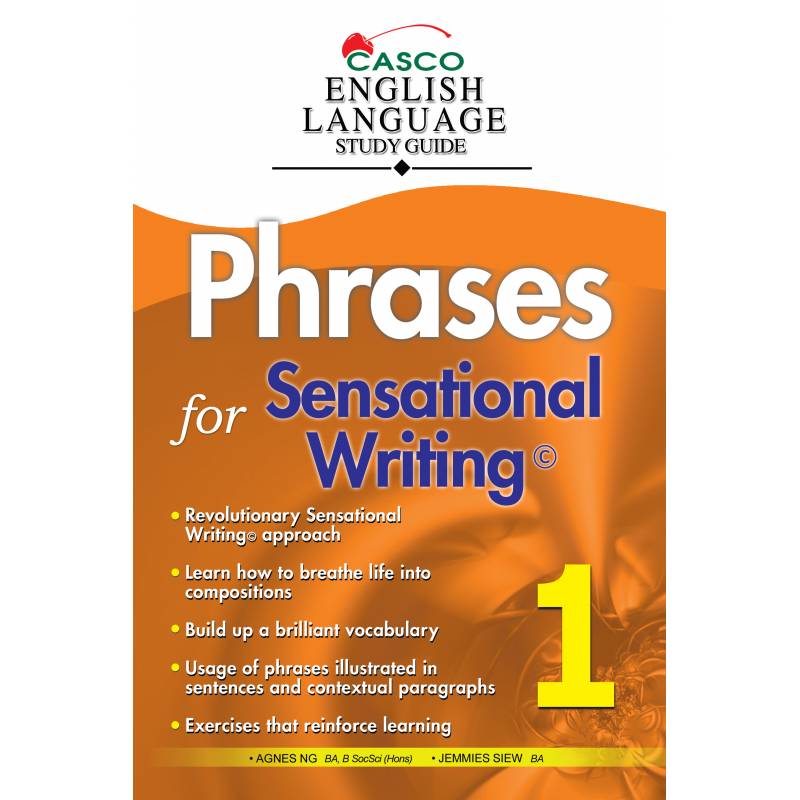
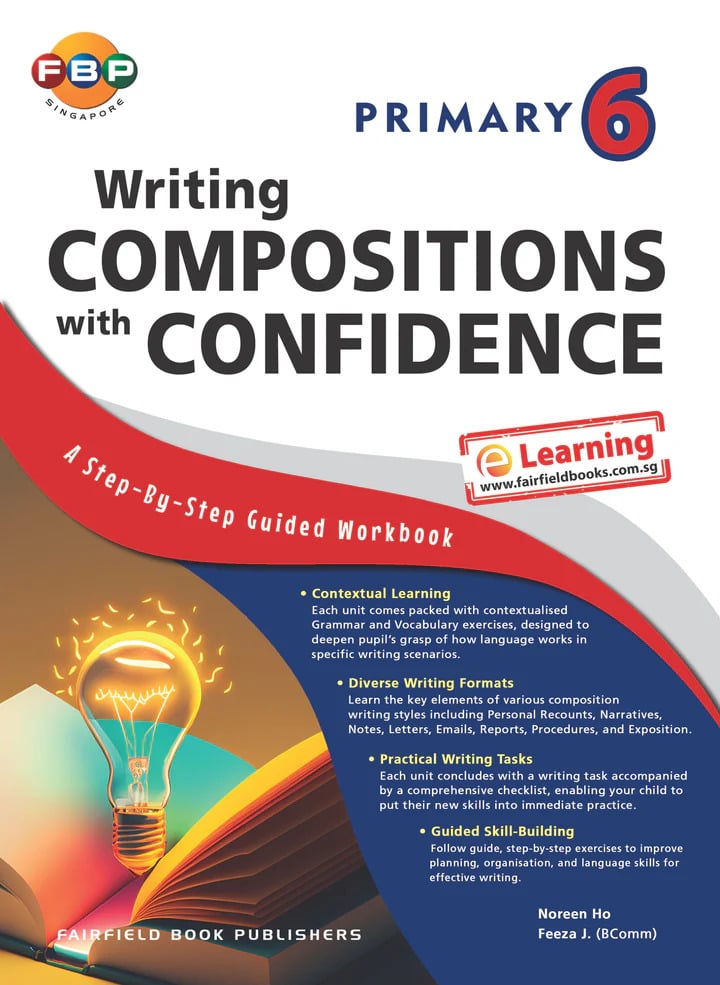
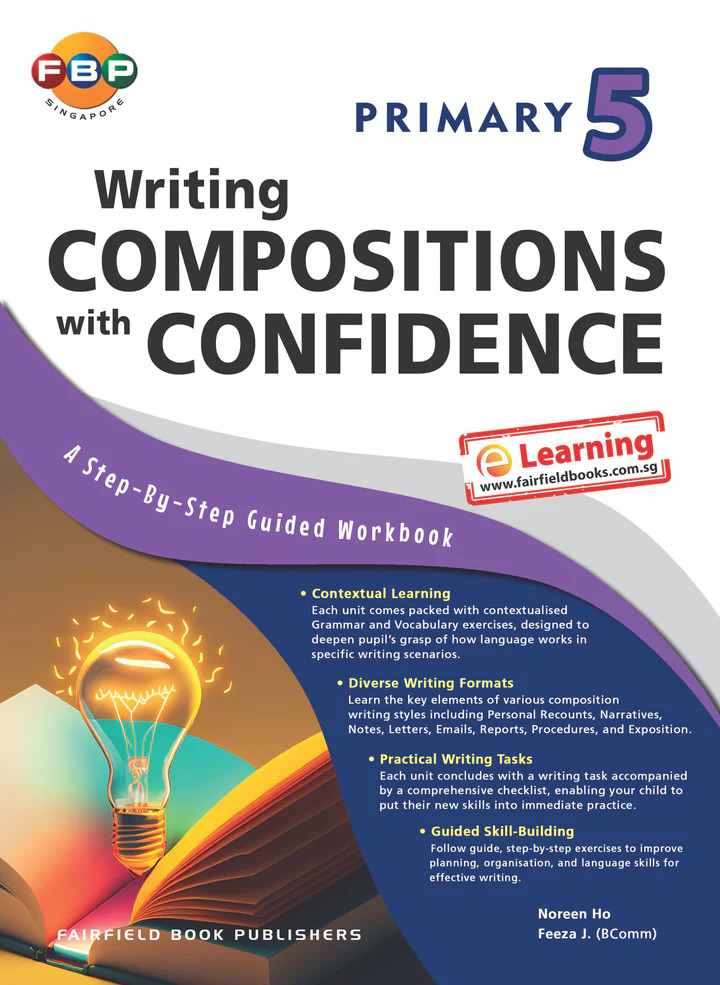
SG BOOKS HK’s range of English resources allows families and schools to select materials by stage and learning goal, whether a child needs early sentence practice, primary composition guidance or more advanced writing development. The most suitable book is the one a child can return to with growing confidence.
A blank page becomes less intimidating when a child knows the next small step. Give them a prompt, time to think and permission to make an imperfect first draft. The ideas will become clearer with practice, and the pleasure of seeing a story take shape is often what keeps them writing.