What Is the Right Phonics Age for Children?
A child who sings the alphabet at two may not be ready to blend sounds into words. Another child may begin reading simple books at four with little prompting. That is why the question of the right phonics age matters less as a fixed birthday target and more as a guide to choosing activities that match a child’s listening, speaking and attention skills.
For Hong Kong families, phonics often becomes a priority before Primary 1. Children may encounter English letters in nursery, kindergarten classes, playgroups and storybooks, while parents also want them prepared for school reading and spelling. A sensible phonics plan can support that transition without turning every evening into a worksheet session.
Phonics age: when can children start?
Children can begin developing pre-phonics skills from around age two or three. At this stage, the goal is not to complete an alphabet workbook or memorise letter-sound charts. It is to help children notice that spoken words are made of sounds.
Rhymes, songs, repeated phrases in picture books and simple sound games are useful foundations. A child might enjoy hearing that cat, cap and can begin in a similar way, or clap out the beats in their name. These playful activities build phonological awareness, which is the ability to hear and work with sounds in language.
More structured phonics commonly suits children from around age three to five, depending on their readiness and previous English exposure. Many K1 and K2 children can start learning a small number of letter sounds, while K3 children may be ready to blend sounds to read short consonant-vowel-consonant words such as sat, pin and dog.
There is no advantage in rushing through every sound before a child can hear the difference between them. Clear pronunciation, frequent revision and confidence with a few sounds are more valuable than a fast march through a thick activity book.
Readiness matters more than a set age
A child may be ready for introductory phonics if they can listen to a short story, enjoy repeating words or songs, recognise some letters, and show curiosity about print. They do not need to write neatly or speak English fluently before they begin.
Equally, a child who avoids books, finds listening difficult after a few minutes, or becomes upset when asked to identify letters may need a gentler approach. Continue with read-aloud stories, songs and everyday English rather than treating this as a delay. Children develop at different rates, especially in bilingual or multilingual homes.
For many Hong Kong children, Cantonese is the main home language and English is learned through school and books. English phonics can still be very effective, but children need enough opportunities to hear natural English vocabulary and story language. Reading aloud is not separate from phonics. It gives the sounds and words a purpose.
A practical phonics pathway by stage
The best materials follow a clear sequence. They introduce a manageable group of sounds, provide practice, revisit earlier learning and gradually move towards reading and spelling. The age ranges below are useful starting points, not strict rules.
Ages 2 to 3: build listening and book enjoyment
Choose colourful picture books, nursery rhymes and simple alphabet books. Point to letters occasionally, but keep the focus on conversation: name familiar objects, repeat favourite lines and invite your child to predict what happens next.
Sound games work well in short moments. Ask, “Can you hear the first sound in moon?” or make animal noises together. Five enjoyable minutes is enough. At this age, a child’s willingness to return to books matters more than completing pages.
Ages 3 to 4: introduce letter sounds gradually
Begin with the sound a letter represents rather than relying only on its alphabet name. For example, children need to connect the letter s with the sound /s/ before they can use it confidently in a word. Use lower-case letters early, as these appear most often in children’s reading books.
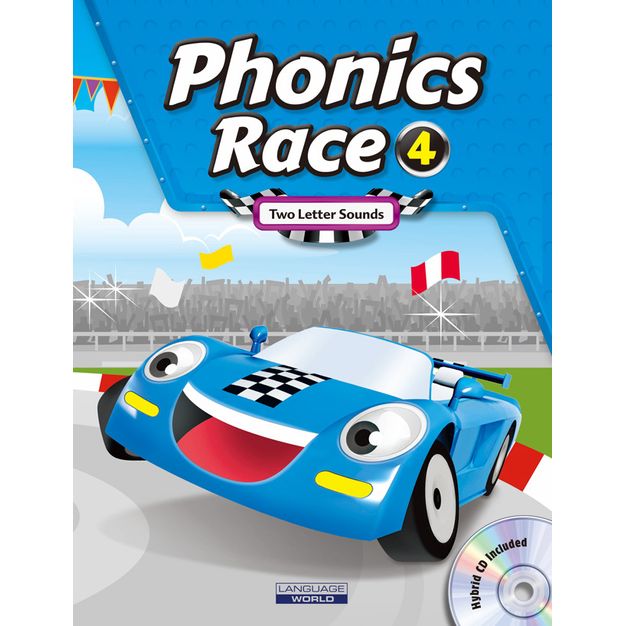
A beginner phonics workbook can be helpful when it includes tracing, picture matching and sound recognition in small steps. Avoid giving several pages at once. One sound, one short activity and a quick recap of a previous sound is usually sufficient.
At the same time, continue sharing storybooks. Some children can recognise letter sounds but have little interest in reading because phonics has become too isolated from stories. A balanced selection includes sound practice, decodable readers and enjoyable picture books chosen purely for pleasure.
Ages 4 to 5: blend, segment and read short words
Once children know a useful set of letter sounds, they can begin blending them from left to right: /s/ /a/ /t/ becomes sat. They can also learn to segment a spoken word into sounds for spelling: map becomes /m/ /a/ /p/.
This is an ideal stage for decodable readers. Unlike books that ask a child to guess from pictures or memorise repeated sentences, decodable books use sound patterns the child has already learned. That gives beginning readers a genuine chance to apply phonics independently.
Look for books that clearly state the sounds or word patterns covered. If a child is learning short vowel words, a book filled with unfamiliar spellings and long sentences may be discouraging, even when its cover says it is suitable for their age.
Ages 5 to 7: expand patterns without losing fluency
As children enter Primary 1 and beyond, phonics extends beyond simple three-letter words. They meet consonant blends such as st and cr, digraphs such as sh, ch and th, long-vowel patterns, silent letters and alternative spellings. English is not perfectly regular, so children also need practice with common tricky words.
At this point, a structured workbook can strengthen spelling and decoding, particularly for children who need extra practice outside school. However, it should sit alongside graded readers, library books and read-aloud novels. Phonics teaches children how to work out words; wide reading builds vocabulary, comprehension and stamina.
Choosing phonics books without buying too far ahead
Parents often see a complete boxed set and assume that buying the highest level will save time later. In practice, a book that is too difficult can make a capable child feel unsuccessful. Start with the child’s current skill, not the year group printed on a cover.
Before choosing, check whether the material teaches a consistent phonics approach, shows which sounds are covered, and offers enough revision. A good resource should let a child experience success quickly while still providing a small next step.
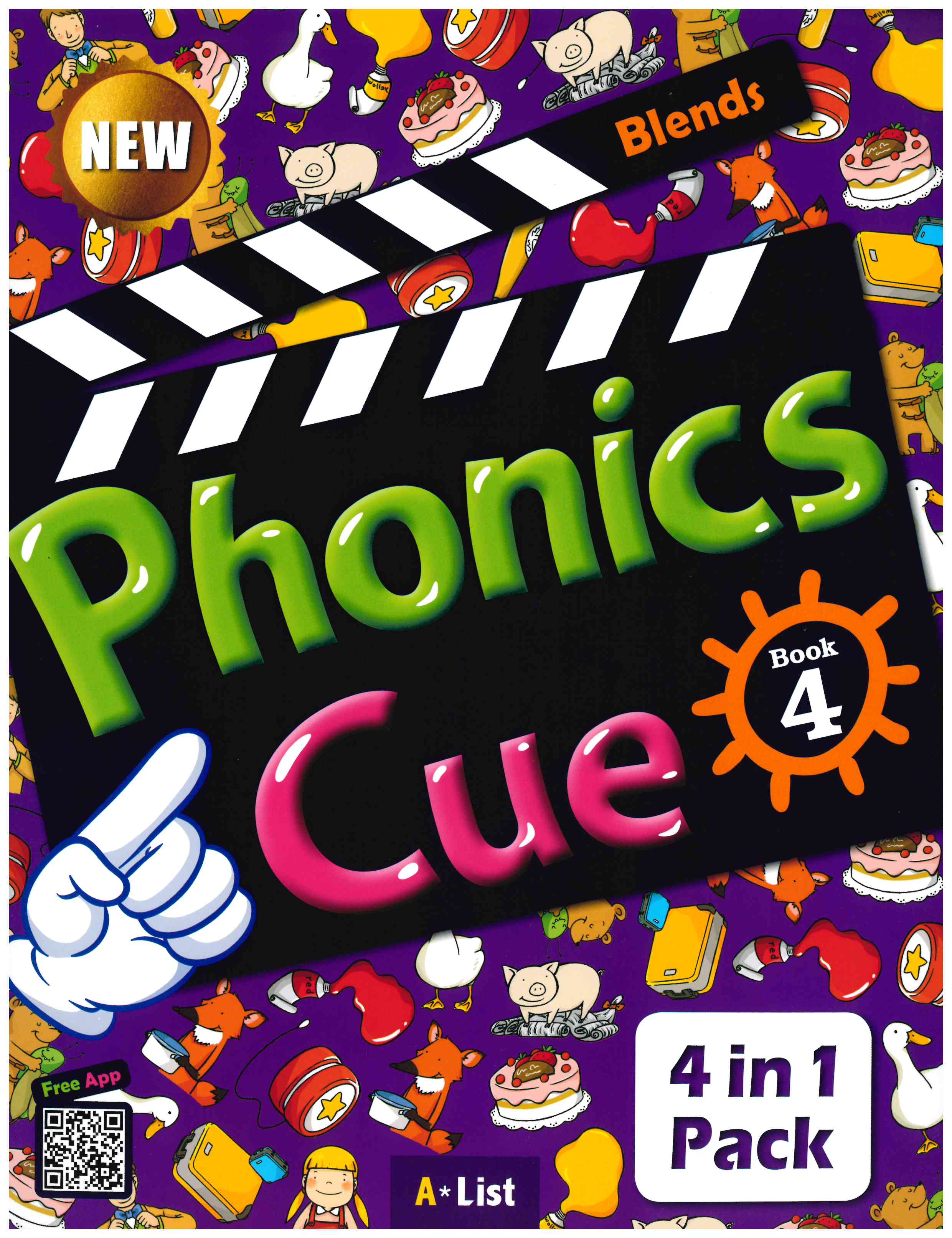
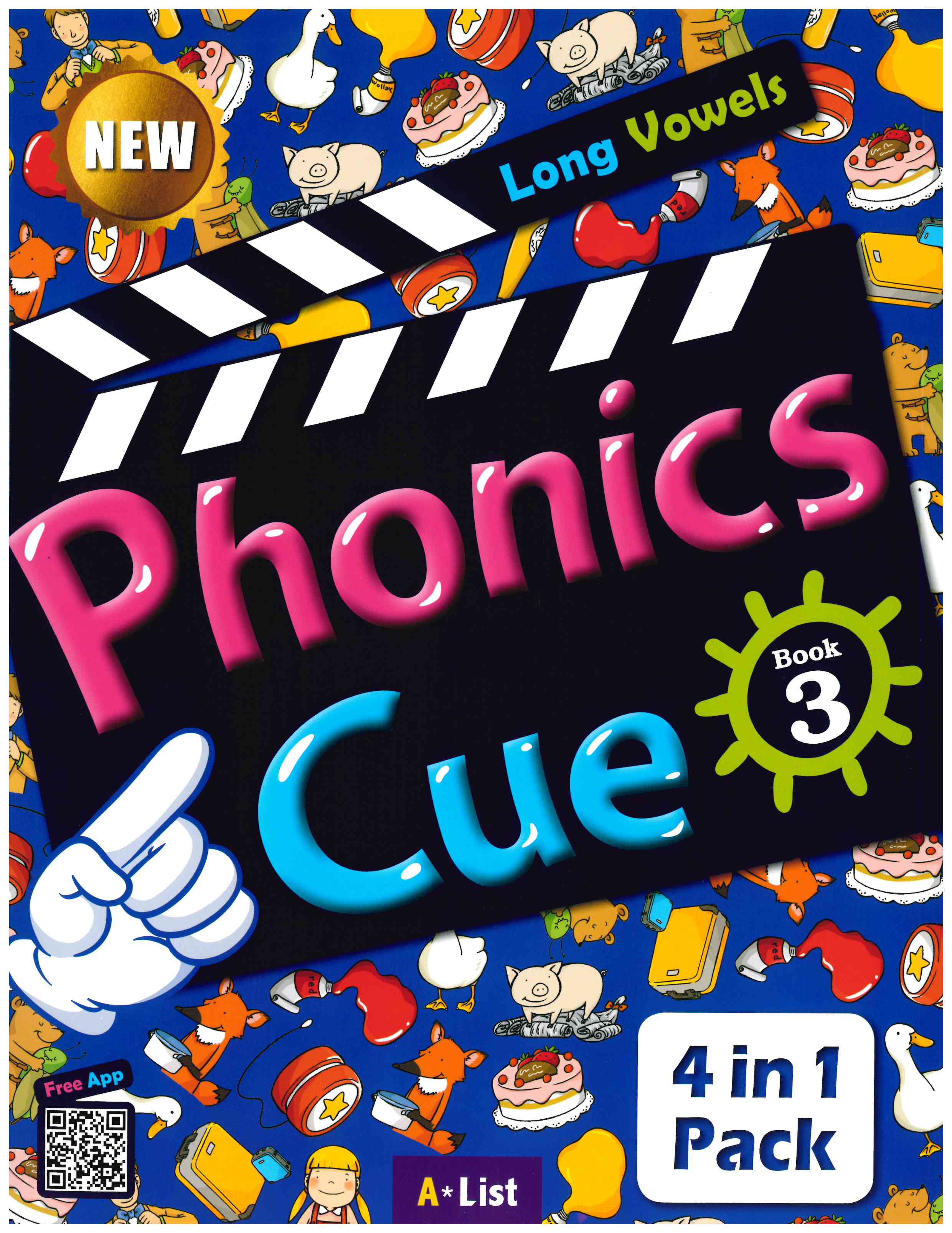
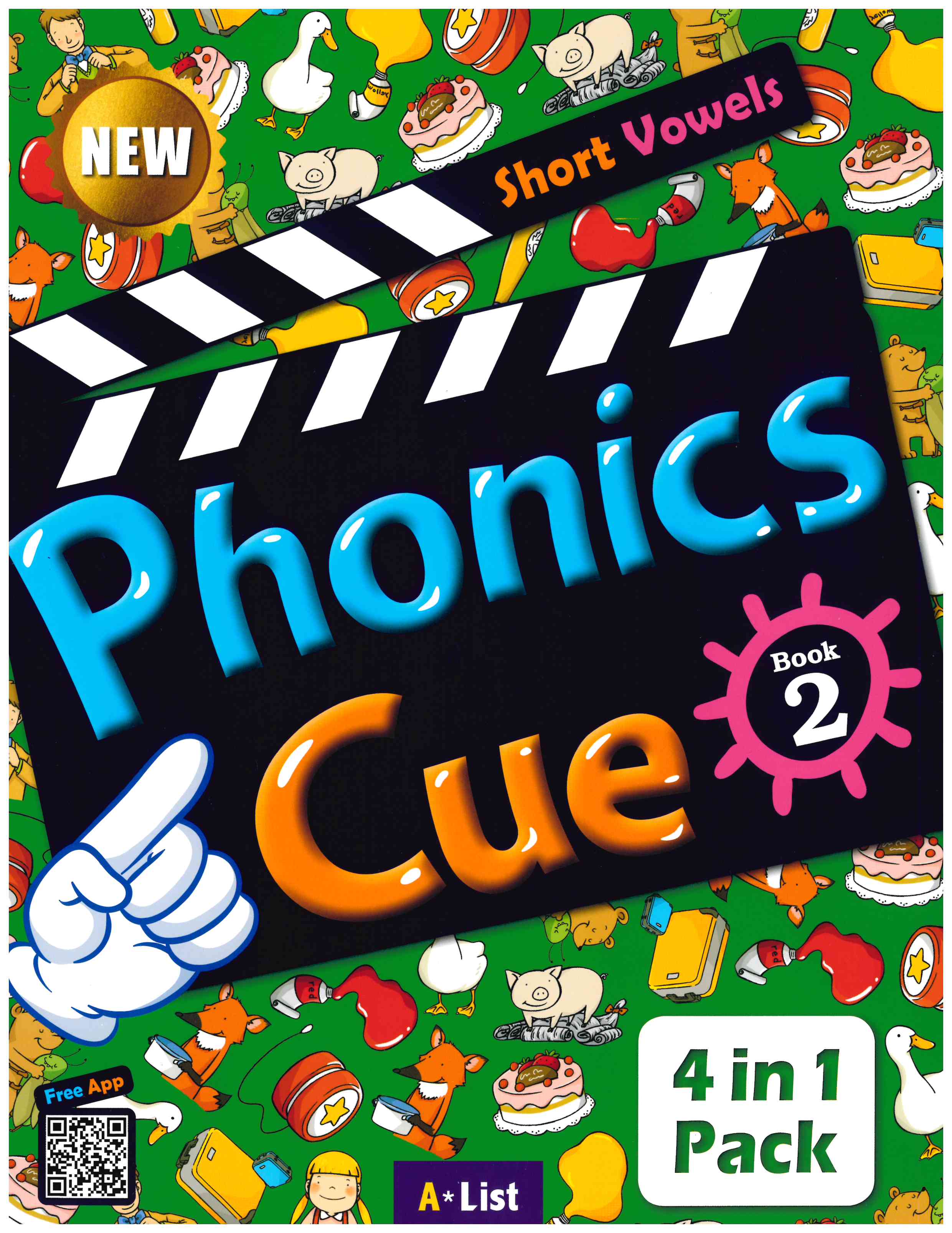
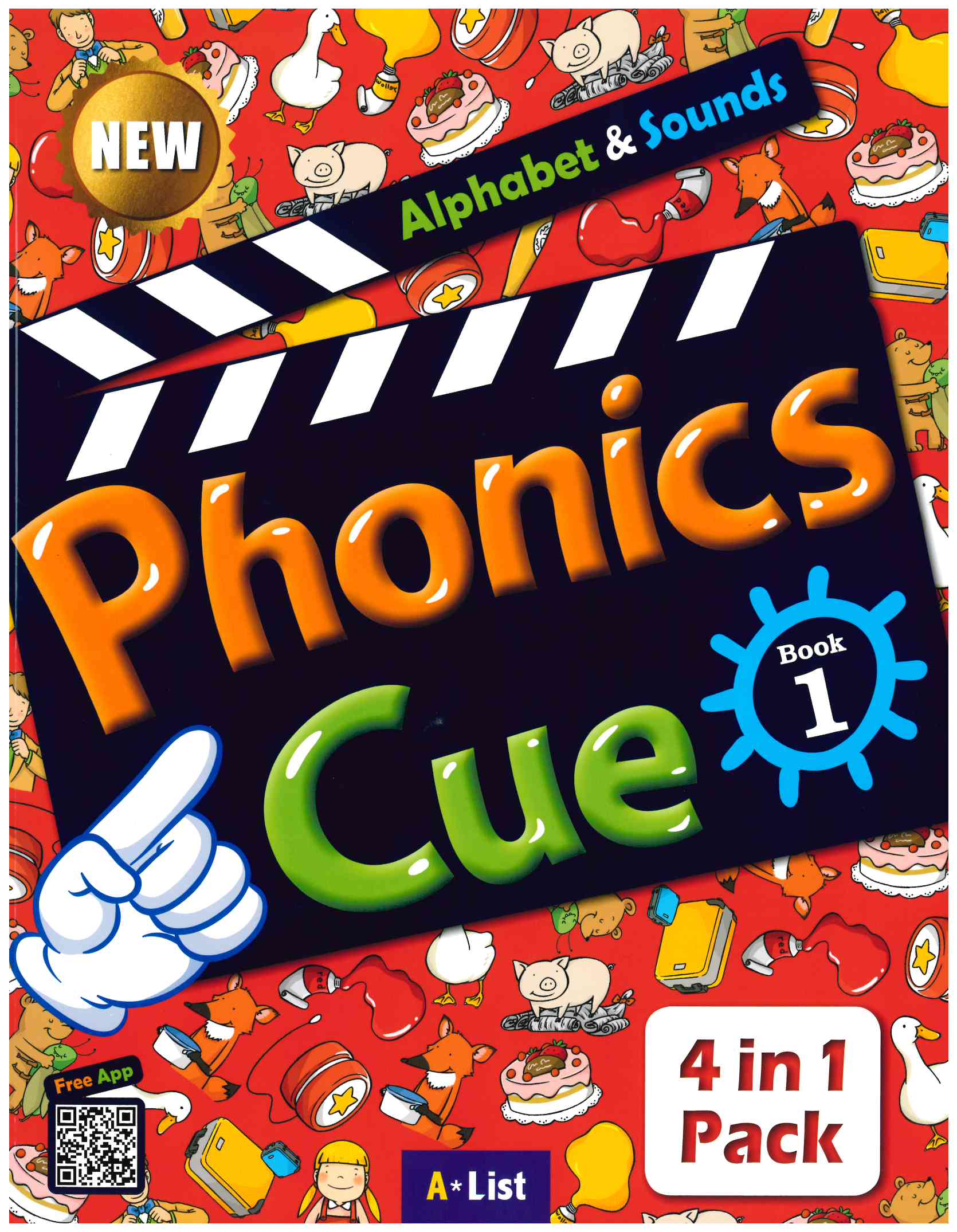
For home learning, it is often practical to combine three types of resource: a structured phonics workbook for short guided practice, decodable readers for applying learned sounds, and rich storybooks for shared reading. This combination serves both school readiness and the longer-term habit of reading for enjoyment.
Families using Singapore, Hong Kong, British or American-published materials may notice differences in terminology, spelling and sequence. This is normal. The key is not to collect every scheme, but to avoid confusing a child with several unrelated progressions at the same time. Choose one core sequence, then add reading books that fit it.
How much phonics practice is enough?
For preschool children, 10 to 15 minutes of focused phonics on most days is often enough. Stop while the child is still engaged. A short daily routine is generally more effective than a long weekend session followed by several days without revision.
Try a simple pattern: revisit two familiar sounds, introduce or practise one new point, then read a short decodable book or play a word game. If your child is tired after kindergarten, move phonics to a calmer time rather than insisting on a fixed evening slot.
Praise the process specifically. Instead of saying only “Good job”, say, “You looked at each sound and blended them together.” This helps children understand what they did well and makes reading feel like a skill they can improve.
When extra support may help
Some confusion is normal, particularly with visually similar letters such as b and d, or sounds that are less familiar in Cantonese. Give children time and repeated exposure. Do not label a child as poor at reading because progress is uneven during the early stages.
If a child has had regular, appropriate practice over time but still struggles to remember basic sound-letter links, cannot blend simple words, or becomes consistently anxious about reading, speak with their class teacher. The teacher can help identify whether the issue is mainly language exposure, teaching pace, eyesight, hearing, attention or a specific learning need.
The right phonics age is the age when a child can meet sounds with curiosity rather than pressure. Begin small, select books that match the stage they are actually at, and keep a favourite story close by. Those quiet, repeated reading moments often do as much for a future reader as any completed worksheet.