Choosing Singapore Maths Workbooks for Primary
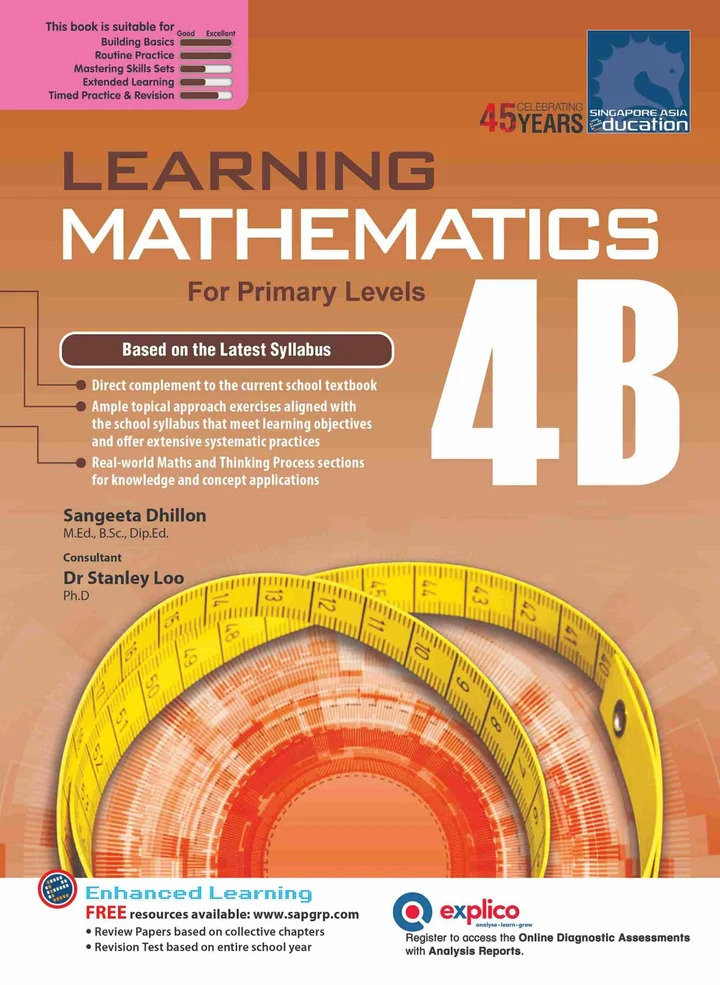
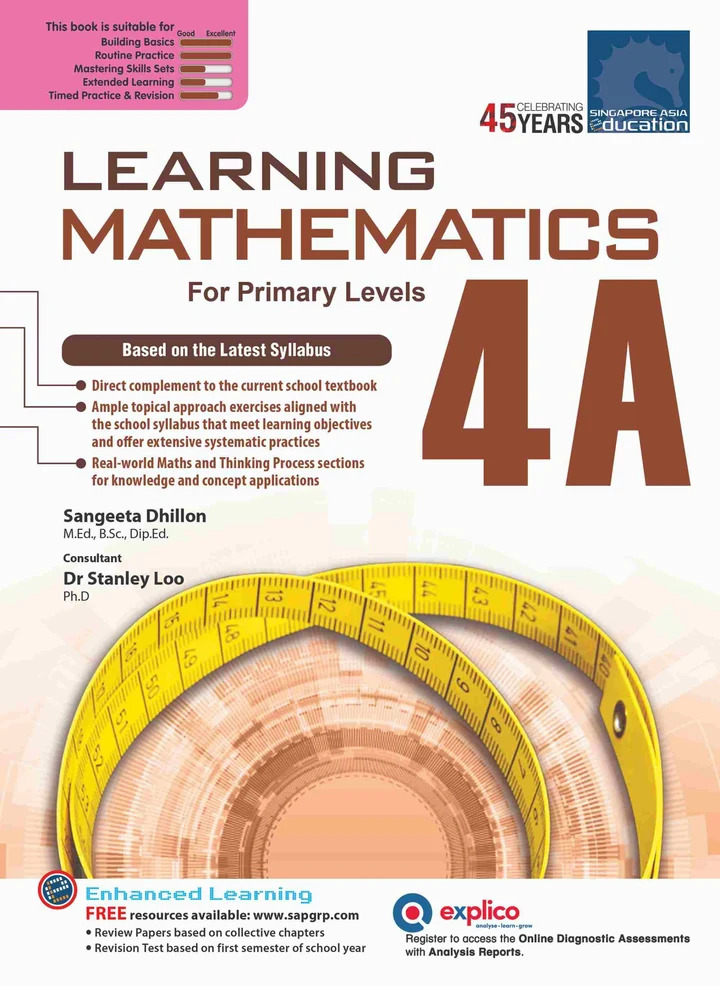
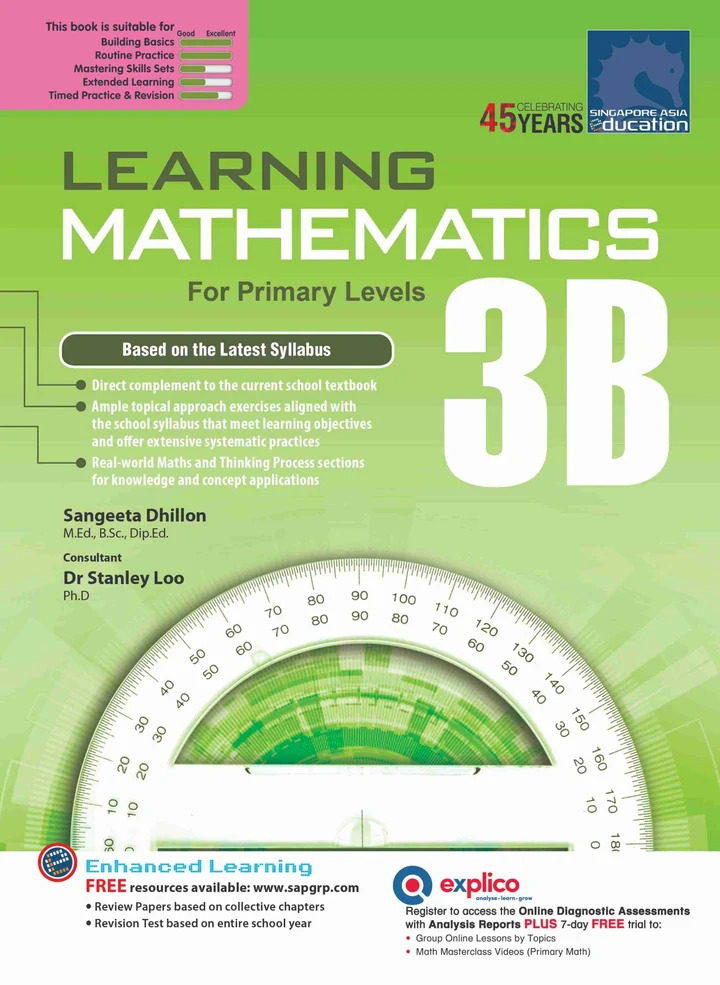
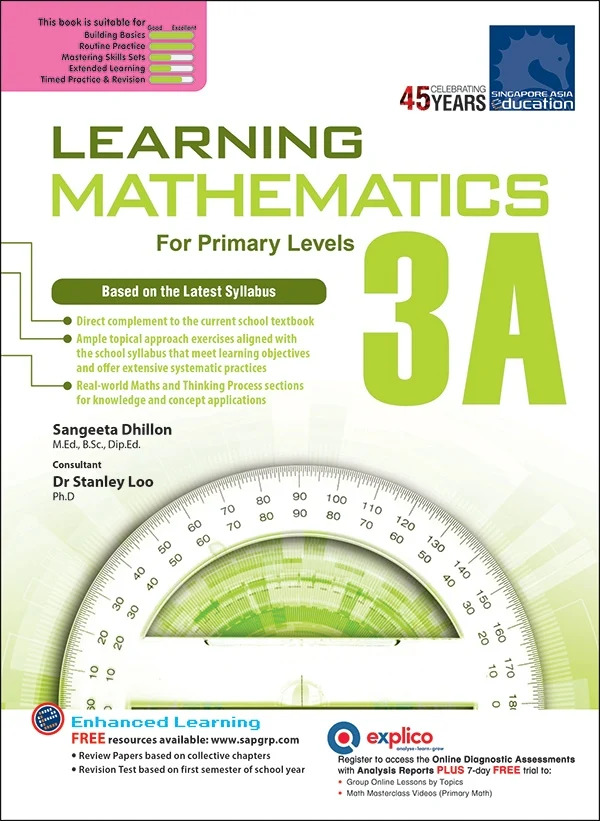
A child who can recite multiplication facts but freezes at a word problem does not necessarily need more pages of sums. They may need a workbook that shows how numbers relate to one another. That is why many Hong Kong families choose Singapore maths workbooks for primary: they are designed to build understanding first, then turn that understanding into accurate, independent practice.
The best choice is not simply the hardest book or the one labelled for a particular age. A useful workbook should meet your child at their current level, support the work taught at school and make the next step clear. For some pupils, that means consolidating place value and number bonds. For others, it means learning to model multi-step problems without guessing which operation to use.
Why the Singapore approach suits primary learners
Singapore maths is often recognised for its Concrete-Pictorial-Abstract approach. Children begin with objects or familiar situations, move to drawings and visual models, then work confidently with numbers and symbols. A pupil learning fractions, for example, may first compare equal parts of a shape, then use bar models, before solving calculations using fraction notation.
This order matters because it reduces the temptation to memorise a procedure without knowing why it works. When children meet more demanding topics in upper primary, such as ratio, percentage or algebraic thinking, they have a bank of visual and numerical relationships to draw upon.
Word problems are another major strength. Rather than treating them as a final, difficult section after routine exercises, many Singapore series teach pupils how to identify relevant information, represent the situation and choose a method. Bar modelling is particularly helpful for comparison, part-whole, change and multi-step questions. It gives children a visible structure when a question contains a lot of words.
That said, Singapore resources are not a replacement for the Hong Kong school syllabus. Terminology, topic order and assessment formats can differ. The most effective use is usually as a carefully chosen supplement: a way to strengthen concepts, practise reasoning and address a particular gap alongside schoolwork.
How to choose Singapore maths workbooks for primary
Start with ability, not the year printed on the cover. A Primary 3 pupil who is uncertain about regrouping in addition and subtraction will gain more from a well-matched foundation book than from an advanced problem-solving workbook. Equally, a child who finishes routine classwork quickly may need non-routine questions, not another book of straightforward calculations.
Match the workbook to one clear purpose
Before buying, decide what you want the book to do. A concept workbook explains a topic step by step and normally includes worked examples. A practice book provides repeated questions for fluency. A problem-solving or challenging word-problem book develops reasoning, perseverance and strategy. Assessment-style books help pupils become used to timed or mixed-topic questions.
One book can sometimes cover two of these needs, but expecting one workbook to fix every weakness often leads to unfocused practice. If number facts are slow, choose targeted fluency work. If your child calculates accurately but struggles to understand questions, choose a series with visual explanations and graded word problems.
Check the progression between levels
Primary maths develops cumulatively. Place value supports the four operations; the four operations support fractions, measurement and problem-solving. Look through a few units to see whether the book revisits earlier skills before asking for a more complex application.
A sensible sequence may begin with number sense, addition and subtraction, multiplication and division, then fractions, measurement, geometry and data handling. The exact order need not mirror every school term, but the level of demand should rise gradually. A workbook that jumps too quickly can make a capable child feel that maths is a test of speed rather than thinking.
For younger learners, clear layouts, manageable question sets and visual representation are especially valuable. For upper-primary pupils, look for explanations of methods, mixed review sections and problems requiring more than one calculation. At this stage, a child should also learn to check whether an answer is reasonable, not merely whether it matches an answer key.
Consider language demand as well as maths demand
For many Hong Kong pupils, English word problems present two tasks at once: understanding the language and solving the mathematics. This is not a reason to avoid English-language Singapore workbooks. Used appropriately, they can strengthen mathematical vocabulary such as difference, altogether, remaining, equal groups and perimeter.
However, if English comprehension is currently the main barrier, begin with shorter questions and clear diagrams. Read one problem together, underline quantities and discuss what is happening before asking for a calculation. As confidence grows, introduce longer and less familiar contexts. The aim is to build independent reading without turning every maths session into an English comprehension exercise.
Choosing by primary stage
In Primary 1 and Primary 2, prioritise number bonds, place value, counting patterns, basic addition and subtraction, shapes, time and simple measurement. Children benefit from books that invite them to draw, compare and explain. Pages filled only with repetitive sums can help with fluency, but they should not be the whole programme.
In Primary 3 and Primary 4, multiplication and division facts become more important, while fractions, measurement and multi-step word problems demand stronger reasoning. This is a good stage to introduce bar models consistently. A child does not need to draw a model for every question forever, but learning when and how to use one prevents random trial-and-error.
In Primary 5 and Primary 6, look for materials that extend fraction, decimal and percentage work, ratio, area and volume, speed, data interpretation and challenging problem-solving. Pupils preparing for school assessments should still retain time for deeper questions. Repeated test papers may improve familiarity with format, but they do not always reveal why mistakes happen.
Make the workbook work at home
The value of a good workbook depends on how it is used. Short, regular sessions are usually more productive than a large batch completed reluctantly on Sunday evening. For most primary children, two to four focused sessions a week is enough when the work is well matched.
Ask your child to explain one or two answers aloud. A correct answer reached by a lucky guess needs a different response from a correct answer supported by a clear method. When an answer is wrong, avoid immediately showing the solution. Instead, ask: What is the question asking? Which numbers matter? Could you draw it? Does your answer make sense?
Keep an error notebook for recurring difficulties, especially careless signs, units, fraction comparisons or misread word problems. Revisit only a few examples after several days. This spaced review is more useful than completing another full page of identical questions while the answer pattern is still fresh.
Parents should also watch for signs that a book is poorly matched. Constant tears, guessing, refusal to begin or an unusually high error rate may mean the level is too difficult. On the other hand, finishing every page in minutes with no need to think may mean it is time for richer problems. Challenge should feel effortful, not defeating.
Build a balanced maths shelf
A strong home collection does not need to be large. One carefully selected concept or practice workbook, one problem-solving resource and occasional review material can be enough for a term. Add manipulatives such as counters, fraction strips or a ruler when a topic needs hands-on exploration. These simple tools bring the concrete stage of learning back when a child is stuck.
At SG BOOKS HK, parents and schools can compare resources by level, subject and learning objective rather than choosing solely by a series name. This is particularly useful when siblings have different strengths, or when a class requires books for several attainment levels.
The right workbook should leave a child with more than completed pages. It should help them notice patterns, explain choices and approach an unfamiliar question with a sensible first step. Those are the habits that make primary maths feel less like a race through exercises and more like a subject they can genuinely handle.
Singapore Maths Workbooks